How to prevent tree roots from invading your sewer line
Tree roots invade Manassas sewer lines through tiny cracks and joints. Learn the proven prevention methods that keep roots out and your drains flowing.
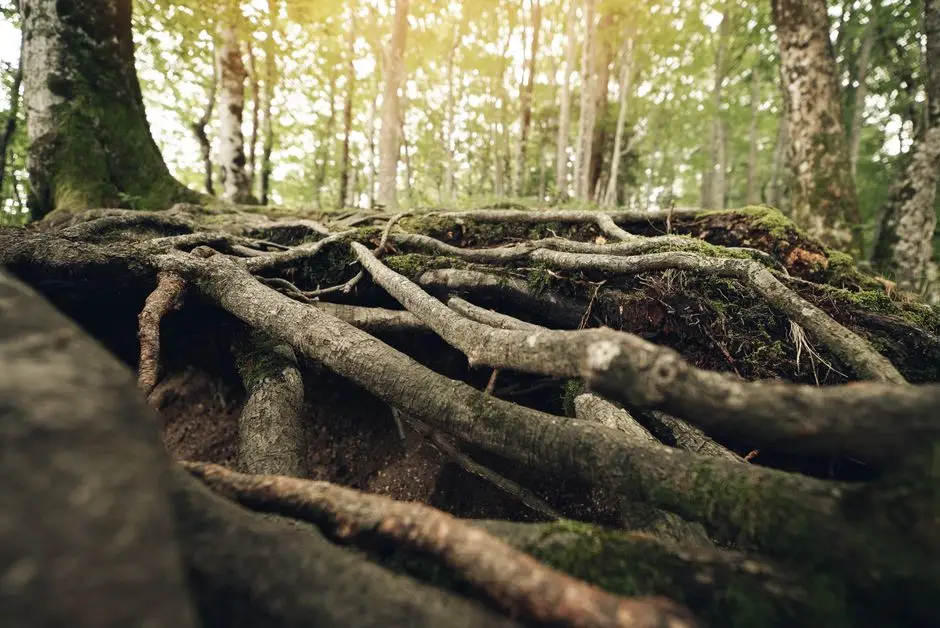
Tree roots invade sewer lines because the pipes carry warm water, nutrients, and oxygen - three things roots actively seek. The most effective prevention is to keep roots from ever reaching the pipe by managing what you plant, where you plant it, and how you maintain the line over time. In Manassas, where mature oaks, maples, and willows sit close to homes built from the 1950s through the 1990s, root intrusion is one of the most common reasons we get called out. This guide covers why roots target your line, which trees cause the worst damage here, the warning signs to watch for, and the specific steps that actually keep roots out.
Why tree roots invade sewer lines in Manassas
Tree roots invade sewer lines in Manassas because the pipes that run from older homes to the street are often clay tile or cast iron with joints that separate over decades of freeze-thaw cycles. Manassas sits in a region where the ground shifts with seasonal moisture - wet springs, dry summers, and winters that push the frost line down 18 to 24 inches. That movement opens hairline cracks and loosens joints. A root tip thinner than a human hair finds that opening, and once inside, it feeds on the warm, nutrient-rich water flowing through the pipe.
Once a root establishes itself, it does not stop. Roots branch, thicken, and create a mat that catches toilet paper, grease, and debris. What starts as a slow drain becomes a full blockage. In our experience, a root that enters a pipe in spring can reduce flow by 40 to 60 percent within a single growing season.
The depth of your sewer line matters too. Most residential laterals in Manassas sit 24 to 36 inches below grade - well within the root zone of mature trees, which typically reach 12 to 18 inches deep but can send feeder roots deeper when moisture is scarce. That is why a tree 20 feet from your line can still cause problems.
Which trees cause the worst sewer problems in Manassas VA
The trees that cause the worst sewer problems in Manassas VA are the ones with aggressive, water-seeking root systems - not necessarily the tallest trees. Here is what we see most often:
- Willows and poplars: These are the worst offenders. Their roots travel 40 feet or more seeking moisture and can crack clay tile within a few years.
- Silver maples: Common in older Manassas neighborhoods, silver maples have shallow, spreading roots that invade joints and seams.
- Elms and oaks: Mature oaks and elms have extensive root networks. They are less aggressive than willows but cause serious damage when planted within 20 feet of a lateral.
- Birches and magnolias: Both have shallow root systems that readily find sewer lines.
If you have any of these trees within 20 to 30 feet of your sewer line, prevention is not optional. It is maintenance you schedule like you would an HVAC tune-up.
Warning signs roots are already in your line
Warning signs roots are already in your line show up long before a full backup. The earlier you catch them, the cheaper the fix. Watch for these:
- Slow drains throughout the house: If multiple fixtures drain slowly at the same time, the blockage is in the main line, not a single fixture trap.
- Gurgling toilets: A toilet that gurgles after you run the washing machine or shower is telling you the line is partially blocked.
- Sewer odor in the basement or yard: Roots create pockets where waste sits and gases escape through floor drains or cleanouts.
- Soggy patches in the yard: A soft, green patch over the sewer line - even in dry weather - often means wastewater is surfacing.
- Backups in the lowest drain: Basement floor drains and tubs are usually first to back up when roots choke the line.
If you notice any of these, stop running water and call for a camera inspection. A Sewer Camera Inspection Manassas VA takes about 30 minutes and shows exactly where the roots are and how bad the damage is.
How to prevent tree roots from invading your sewer line
How to prevent tree roots from invading your sewer line in Manassas VA comes down to five practical steps. None of them require digging up your yard if you start early.
1. Know exactly where your sewer line runs
You cannot protect a line you cannot locate. If you do not have a plat or as-built drawing, we can trace the line with a Sewer Line Locating Manassas VA service that uses a transmitter and receiver to map the pipe from the cleanout to the city main. Once you know the path, mark it with stakes or paint before you plant anything.
2. Plant the right tree in the right place
Keep large, aggressive trees at least 20 to 30 feet from the sewer line. Small ornamentals with non-invasive roots - dogwoods, Japanese maples, and most shrubs - are safe at 10 feet. If you are replacing a tree, choose species with slow-growing, deep roots rather than fast-growing surface rooters.
3. Schedule annual sewer line maintenance
Annual Sewer Line Cleaning Manassas VA clears the grease, scale, and early root hairs that give roots a foothold. We recommend hydro jetting once a year for homes with mature trees nearby. Hydro jetting uses 3,000 to 4,000 PSI of water to scour the pipe walls clean, removing the organic film roots feed on.
4. Install a root barrier
Physical root barriers - rigid panels buried vertically 24 to 30 inches deep along the sewer line - deflect roots away from the pipe. They work best when installed before roots reach the line. For existing lines, we sometimes recommend a Sewer Pipe Relining Manassas VA that creates a seamless epoxy liner inside the pipe, sealing cracks and joints so roots have nothing to enter.
5. Address cracks and joint separation immediately
A hairline crack is an open invitation. If a camera inspection finds a crack or separated joint, a Sewer Line Spot Repair Manassas VA fixes that one section before roots establish a colony. Spot repairs cost far less than replacing the whole lateral later.
Chemical root killers: what works and what to watch for
Chemical root killers can slow root growth, but they are a maintenance tool, not a cure. Products containing copper sulfate or dichlobenil kill root tips on contact and are safe for most pipes when used at label rates. However, they do not remove existing root masses, and they can harm nearby plants if over-applied.
We tell homeowners in Manassas to use root killer only after a camera inspection confirms the line is otherwise sound. If the pipe is already cracked or collapsed, chemicals will not help - and they can mask the real problem until it becomes a backup. For lines with significant root intrusion, mechanical removal with a Rooter Service Manassas VA or hydro jetting is the right first step.
One more caution: never pour root killer into a line that is already blocked. The chemical will sit in standing water and can damage the pipe or create a hazard for whoever opens the cleanout later.
Common mistakes that make root intrusion worse
Common mistakes that make root intrusion worse usually involve waiting too long or using the wrong tool. Here is what we see repeatedly:
- Using a drain snake as a permanent fix: Snaking cuts roots but leaves them alive. They regrow thicker within months.
- Ignoring slow drains until they back up: A slow drain is a warning. A backup is an emergency that costs three to five times more to fix.
- Planting trees without checking the sewer path: We have seen willows planted directly over laterals. That is a guaranteed repair bill.
- Pouring grease or flushable wipes down the drain: These do not cause root intrusion, but they feed the root mass and accelerate blockages.
- Skipping annual maintenance: Roots do not take years off. A line that is clean today can be 50 percent blocked in 12 months.
If you have made any of these mistakes, do not panic. A camera inspection tells you exactly where you stand, and most root problems are fixable without replacing the entire line.
When to call a professional
Call a professional when you see multiple slow drains, hear gurgling, or smell sewer gas - those are signs the main line is compromised. We handle root intrusion every week in Manassas, from single-family homes off Sudley Road to older properties near the historic district. Our team at 8467 Sudley Road, Manassas, VA 20109, USA uses camera inspection first, so you know exactly what is in the line before we recommend a fix. If roots are the problem, we remove them, repair any damage, and show you how to keep them from coming back.
For homes with recurring root issues, we often recommend a Sewer Line Replacement Manassas VA using trenchless methods that avoid tearing up your lawn. It is a bigger investment upfront, but it ends the cycle of annual root removal.
Frequently Asked Questions
How do I prevent tree roots from invading my sewer line in Manassas?
Keep aggressive trees at least 20 to 30 feet from the line, schedule annual hydro jetting, and fix cracks immediately. A camera inspection every 18 to 24 months catches root intrusion before it becomes a blockage. Root barriers and pipe relining add long-term protection.
What trees cause sewer problems in Manassas VA?
Willows, poplars, silver maples, elms, oaks, birches, and magnolias are the worst offenders in Manassas. These species have aggressive, water-seeking roots that travel 20 to 40 feet and invade pipe joints. Any tree within 20 feet of your lateral is a risk.
Can root killer harm my sewer line in Manassas?
Root killer will not harm a sound pipe when used at label rates, but it can damage already-cracked lines and harm nearby plants. It also does not remove existing root masses. Use it only after a camera inspection confirms the pipe is intact, and never pour it into a blocked line.
Who prevents root intrusion near me in Manassas?
We do. Our team at 8467 Sudley Road, Manassas, VA 20109, USA handles root intrusion prevention, removal, and repair for homeowners across Manassas. We start with a camera inspection, then recommend the least invasive fix - from hydro jetting to spot repair to trenchless replacement.
How often should I have my sewer line inspected in Manassas?
Every 18 to 24 months if you have mature trees within 30 feet of the line. Annual inspections are wise for homes with willows, poplars, or silver maples nearby. A camera inspection costs far less than emergency backup cleanup.
Get help with Sewer Line Repair in Manassas
If roots have already found their way into your line, we can remove them and repair the damage - often the same day. Call us at 13018727698 to schedule a camera inspection and get a straight answer on what your line needs.