Repeat backups in the same drain
We camera the line after clearing it and find the offset joint, belly, or root mass causing the repeat. Then we fix the cause, not just the symptom, and re-camera to confirm.
Sewer Camera Inspection Manassas VA is how you stop guessing about backups, odors, and slow drains. We run a RIDGID camera down your main line, record every foot, and show you exactly where the root intrusion, crack, or belly sits. If you are buying a home near Bull Run or dealing with a repeat clog in Sudley, this is the first call to make.
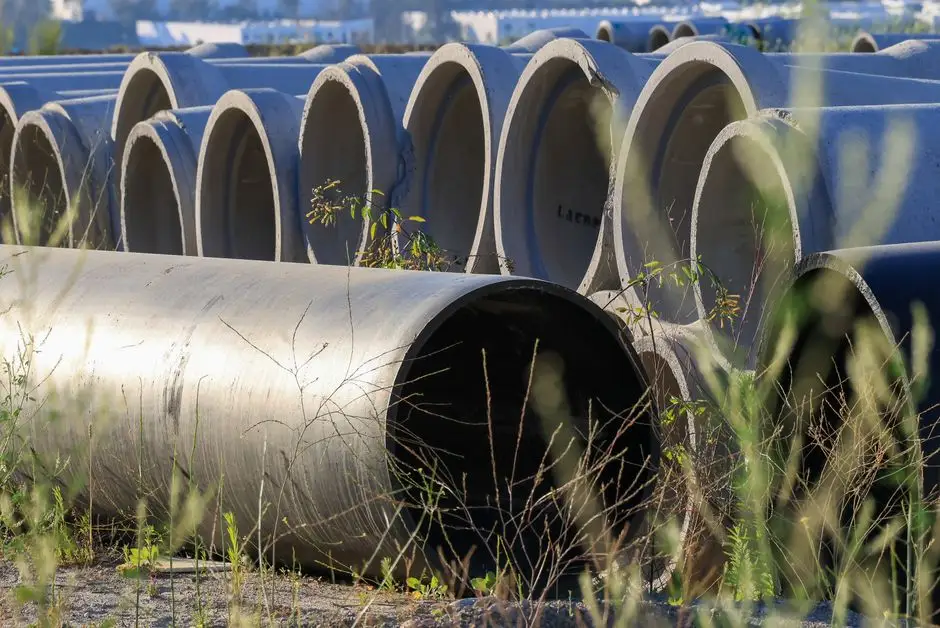
Sewer Camera Inspection Manassas VA is a diagnostic service that sends a waterproof camera through your main sewer line to record the inside of the pipe from the cleanout to the city tap. We watch the feed on a monitor in real time, mark the depth of every defect, and hand you a recording you can keep. A typical run takes 45 to 90 minutes on a standard residential lateral.
Manassas has a lot of older clay sewer pipe and cast iron under the tree-lined streets of Old Town Manassas and Yorkshire, and both materials fail in predictable ways. Clay joints offset and let roots in; cast iron corrodes from the inside until it collapses. When you call for a sewer video inspection Manassas homeowners trust, we are usually looking at one of those two problems, plus the occasional bellied line where the soil settled after decades of Virginia freeze-thaw cycles.
Every camera run includes the essentials: access, inspection, recording, locating, and a plain-language explanation of what we found. Here is what you get when you book with us.
We inspect from the cleanout to the city main or septic tank, recording the entire run. On a standard 60 to 100 foot residential lateral, that is a complete picture of your pipe's condition, not a partial look.
Every crack, root mass, offset joint, and belly is noted by depth on the reel counter. You get a list of defects with their distances, which is what a repair crew needs to bid and dig accurately.
We use a pipe locator to trace the lateral and mark defect locations on the surface with paint. That is how we keep excavation tight and avoid tearing up more yard than necessary.
The full run is recorded and saved. You get a copy for your records, which is essential for real estate transactions, insurance claims, and comparing repair quotes from multiple contractors.
We replay the key footage with you on site and explain what each defect means in plain terms. You will know whether you are looking at a maintenance item, a spot repair, or a replacement.
If a repair is needed, we tell you the options: spot repair, liner, pipe bursting, or full replacement. We quote it clearly, and you decide. The inspection stands on its own with no obligation.
We find your main cleanout, usually in the basement or front yard, remove the sewer cleanout cap, and check for standing water. If the line is backed up, we clear it first with a drain snake or hydro jetter so the camera has a clean pipe to travel through.
A RIDGID or Spartan Tool camera head goes in on a push rod. We feed it foot by foot and watch the monitor, calling out cracks, offset pipe joints, grease buildup, and root intrusion as they appear. You are welcome to stand next to us the whole time.
When we hit a problem, we stop, note the depth on the reel counter, and use a pipe locator to mark the spot above ground. That paint mark is where a repair crew would dig or where a liner would be set, so nobody is guessing later.
The whole run is recorded to digital video. We replay the key sections with you, explain what each defect means, and tell you honestly whether it is a maintenance item, a spot repair, or a replacement. No pressure, no script.
You get the footage and a summary of what we found, including depths and pipe material. If you are in a real estate transaction, that documentation is what your agent and the seller's plumber will work from. Most inspections wrap in under two hours.
Purpose-built equipment, used by trained technicians — so the job is done accurately the first time.
Self-leveling camera head on a push rod, used for standard residential laterals up to 200 feet. Records to digital video and shows real-time footage on a monitor.
Backup camera system for larger-diameter lines and longer runs. Used on commercial laterals and main lines where a bigger camera head is needed.
Compact camera reel for tight access situations, including interior cleanouts and short runs where a full-size reel will not fit.
Sonde-based locator that traces the camera head's position underground, so we can mark defect depths on the surface with paint.
High-pressure water jetting to clear grease, soft roots, and debris from the pipe before the camera run, so the footage shows the true pipe condition.
Chain cutter head that removes root masses from the pipe after the camera identifies their location and severity.
Mechanical clearing tools used when the line is blocked and the camera cannot pass until the obstruction is removed.
Homeowner had a backup every spring for three years. Two previous plumbers snaked the line without inspecting. The drain would clear, then back up again within months.
Camera found a root mass at 34 feet where a clay joint had offset. We cut the roots with a root cutter, then re-camera confirmed the pipe was clear. No backup in 18 months.
Slow drains across the whole house. Homeowner assumed it was a clog and called for drain cleaning. The line cleared but drained slowly again within a week.
Camera showed a bellied section at 52 feet where the pipe had settled. We excavated the section, replaced 12 feet of clay with PVC, and re-camera confirmed proper slope. Drains flow normally.
Buyer was under contract on a 1958 home. The seller's disclosure said no known sewer issues. The buyer's agent recommended a camera inspection before closing.
Camera found a cracked section at 18 feet and a collapsed joint at 61 feet. We documented both with video and depth. Buyer negotiated $6,500 in repair credits and closed with confidence.
Most sewer problems look the same from inside the house: slow drains, backups, odors. The camera tells you which one you actually have, so you stop paying for the wrong fix.
Ask a pro →We camera the line after clearing it and find the offset joint, belly, or root mass causing the repeat. Then we fix the cause, not just the symptom, and re-camera to confirm.
A camera run finds cracked pipe and separated joints that let gas escape. We locate the source, repair it, and verify the fix with a follow-up camera pass before we leave.
We camera the main line from the cleanout and find the blockage or defect. Most multi-fixture slowdowns trace back to root intrusion or a bellied section in the yard.
We inspect before you close, document every defect with depth and video, and give you a report you can use to negotiate or budget for repairs. This is the cheapest insurance in a home purchase.
$180 - $450 for most residential inspections
Typical 2026 pricing for a residential camera inspection in Manassas runs $180 to $450. The low end covers a straightforward run on a clean, accessible line under 60 feet. The high end covers longer laterals, buried cleanouts, or lines that need clearing before the camera can pass. Commercial and main-line inspections are quoted per job. We give you the price before we start, and the inspection fee is separate from any repair quote, so there is no pressure to buy work you do not need.
A camera inspection costs a fraction of an unnecessary excavation and gives you the information to make a smart repair decision. If the footage shows the line is fine, you saved thousands. If it shows a problem, you fix the right thing the first time.
A 40-foot lateral with an accessible cleanout is quick. A 120-foot run with a buried cleanout takes longer and requires more setup, which affects the price.
If the line is blocked, we have to clear it with a drain snake or hydro jetter before the camera can travel. That adds time and equipment to the job.
A missing or damaged sewer cleanout cap means we may need to locate and expose the cleanout before we can start. That is additional labor.
Commercial laterals are typically larger diameter and longer, often requiring a bigger camera and more time. Pricing is quoted per job based on scope.
“We had a backup every spring for three years and two plumbers just snaked it. These guys ran a camera and found roots at 34 feet where a clay joint had offset. They showed me the screen, marked the spot in the yard, and cut the roots out. No backup since. Should have done this years ago.”
Dave R.Homeowner, Old Town Manassas
✓ Verified“Our realtor recommended a camera inspection before we closed on a 1965 house. The footage showed a bellied section under the driveway and a crack near the cleanout. We negotiated $6,500 off the price. Best $350 we ever spent. The report was clear and the tech walked us through every defect.”
Maria S.Homebuyer, Loch Lomond
✓ Verified“Grease line was backing up every few weeks. They camera-inspected the whole run after hours, found a section of cast iron that had corroded through, and relined it. We have not had a backup in eight months. Professional, clean, and they did not shut us down for a day.”
Tom B.Restaurant Owner, Sudley
✓ VerifiedMost residential camera inspections in Manassas run $180 to $450 in 2026, depending on line length, access, and whether we have to clear a blockage first. If the cleanout is buried or the line is full, expect the higher end. You get the exact price before we start, and the inspection fee is separate from any repair quote.
It shows the inside of your lateral from the cleanout to the city main: root intrusion, cracked or collapsed pipe, offset pipe joints, bellied sections, grease buildup, and corrosion in cast iron. We record the whole run and mark defect depths, so you know exactly what is down there and where it sits.
Every two to three years if your home has clay or cast iron pipe and mature trees nearby, and any time you have a repeat backup, sewer odor, or slow drains across multiple fixtures. If you just bought the house, get one immediately. Annual camera runs are overkill for newer PVC lines with no history of problems.
Yes, and root intrusion is the single most common thing we find. Roots enter at joint gaps and hairline cracks, then grow into a mat that catches paper and grease. The camera shows the root mass and the pipe locator marks the spot above ground, so a root cutter or spot repair crew knows exactly where to work.
 Sewer Line RepairWhen the camera shows a cracked or broken section, we cut out the bad pipe and replace it with PVC or HDPE. Most spot repairs are done in a day, and we camera the finished line to confirm the fix before we backfill.Explore →
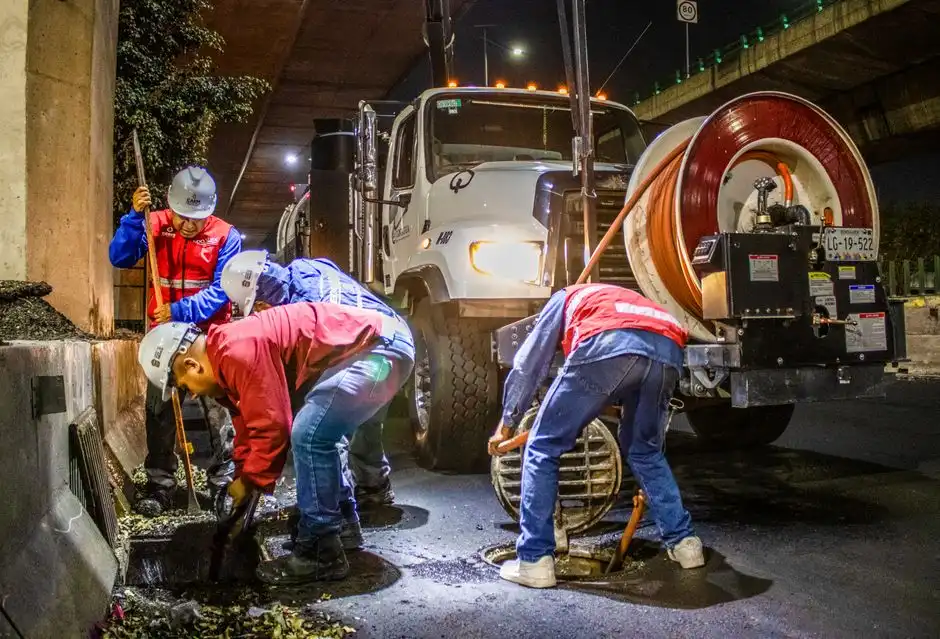 Sewer Line ReplacementIf the footage shows widespread failure across the whole lateral, replacement beats patching. We camera first, then replace the full run from cleanout to city tap, so you are not paying for a second dig six months later.Explore →
 Trenchless Sewer RepairCamera inspection tells us whether your line qualifies for trenchless work. If the pipe is still round and only cracked or root-damaged, we can often repair it without tearing up your yard, driveway, or landscaping.Explore →
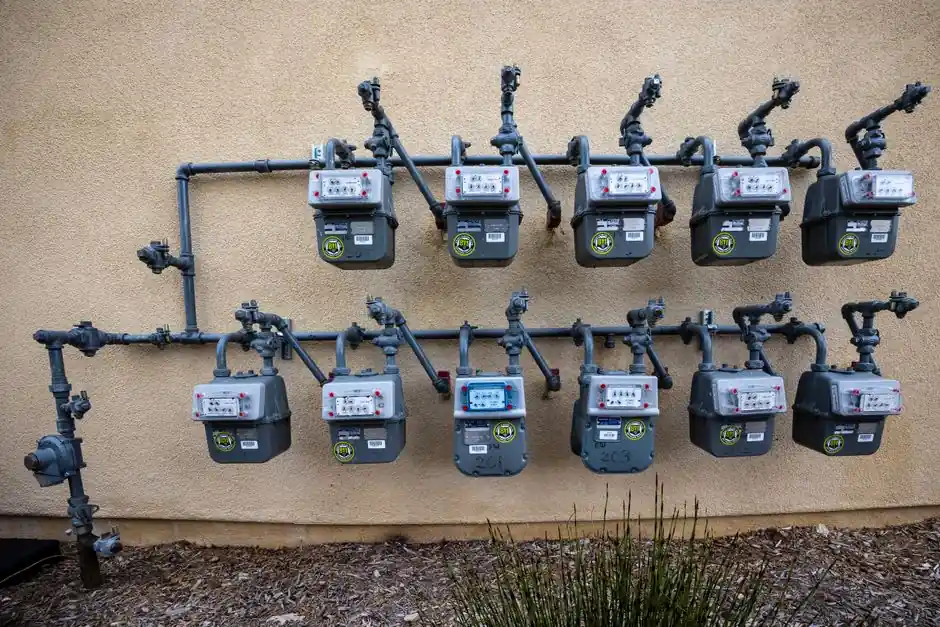 Sewer Line InstallationNew construction and additions need a camera run after installation to verify slope, joint alignment, and that no debris was left in the pipe. We inspect and document before the trench is closed.Explore →
 Main Sewer Line RepairThe camera pinpoints defects in the main lateral, the stretch from your house to the city connection. That is where most root intrusion and bellied pipe live, and where accurate locating saves the most money.Explore →
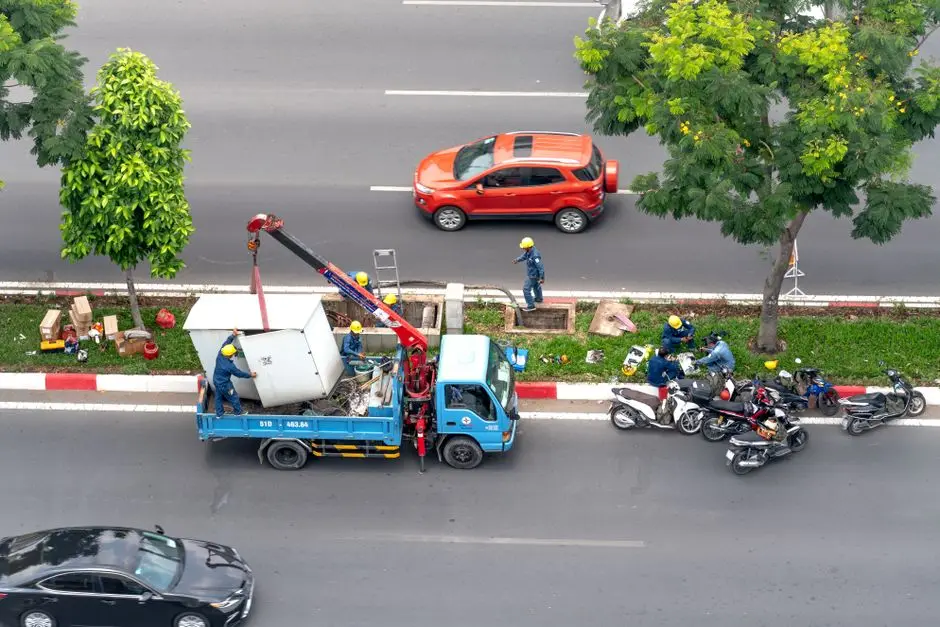 Emergency Sewer RepairWhen sewage is backing into your basement at 2 a.m., we clear the line, camera it, and fix what we find. Camera work during an emergency tells us whether you need a quick clear or a same-night repair.Explore →Sewer Pipe ReliningA CIPP liner is only as good as the host pipe. We camera the line first to confirm the pipe is round enough for a liner and to identify any sections that need spot repair before lining.Explore →
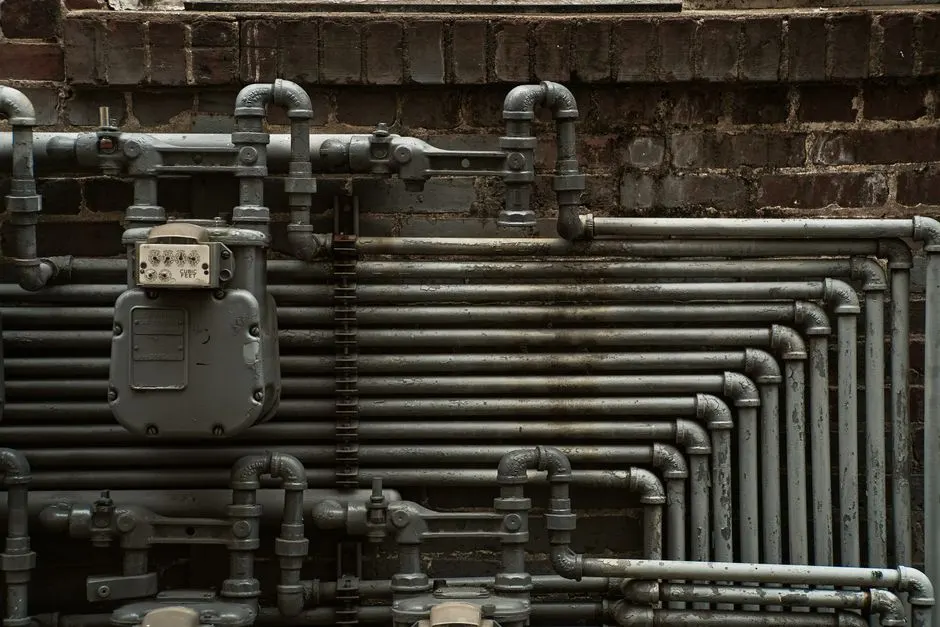 Cured-in-Place Pipe CIPP LiningCIPP lining rebuilds a failing pipe from the inside using an epoxy resin-saturated liner. The camera inspection is step one, and a post-lining camera run confirms the new pipe wall is smooth and fully bonded.Explore →
Stop guessing about that backup, odor, or slow drain. We run the camera, show you the screen, and tell you straight what the pipe needs. Same-day appointments available across Manassas County. Call now and we will get eyes on your line.
Book Inspection 13018727698 →Call 13018727698 or stop by our shop at 8467 Sudley Road, Manassas, VA 20109. We answer the phone 24/7 for emergencies and schedule standard camera inspections and repairs Monday through Friday. Most calls in Manassas get a same-day visit.