01
Phone Diagnosis
We ask which fixtures are backing up and when it started. Multiple drains slow at once usually means a main line clog, not a single trap. One sink backing up points to a local blockage. That two-minute conversation tells us which truck to send and what equipment to load, so we are not guessing when we arrive.
02
On-Site Inspection
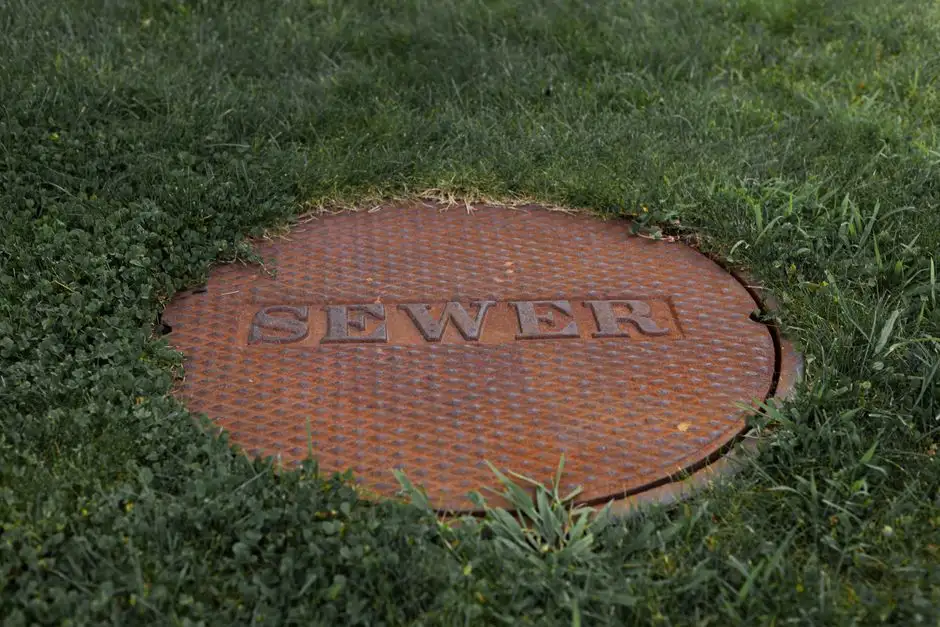
Our technician walks the property, finds the sewer cleanout cap, and checks the affected fixtures. We pull the cleanout and look for standing water, which tells us how far down the blockage sits. On older Manassas properties with clay sewer pipe, we note the cleanout condition and any signs of root intrusion at the joints before we start.
03
Camera and Locate
A sewer camera goes into the line to pinpoint the clog and measure its distance from the cleanout. If we see a collapsed sewer line, broken sewer pipe, or heavy root intrusion, we flag it now. This step takes 10 to 15 minutes and saves hours of blind cable work. You watch the monitor with us if you want.
04
Clearing the Blockage
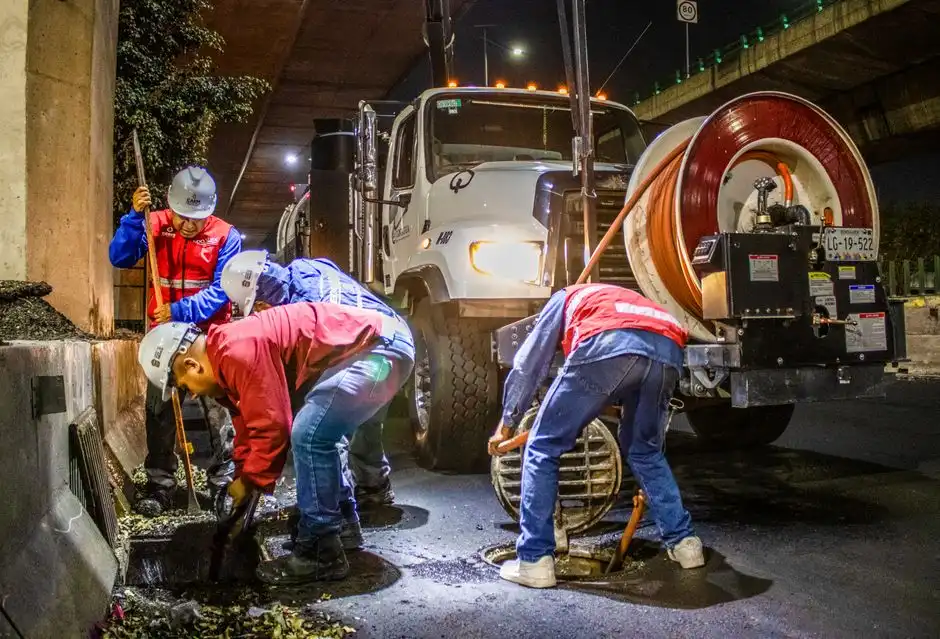
We match the tool to the clog. Grease and sludge get a hydro jetter at 3,000 to 4,000 PSI. Hair, wipes, and paper get a drain snake or sewer auger. Roots get a root cutter head. Most residential clogs clear in 30 to 60 minutes. Main line jobs can run 90 minutes or more depending on length and buildup.
05
Flow Test and Walkthrough
We run water through every affected fixture and watch the cleanout to confirm full flow. The camera goes back in for a final pass on main line jobs. Then we walk you through what we found, what caused it, and what to watch for. If we spotted a problem that needs a follow-up repair, you get photos and a straight answer, not a sales pitch.