Sink drains backing up during service
We pump the trap, then jet or snake the lateral to clear the hardened grease that has already moved downstream. A sewer camera confirms the line is clear before we leave, so you reopen the same day.
Grease Trap Cleaning Manassas VA keeps your kitchen draining and your inspections clean. We pump, scrape, and haul off FOG for restaurants, cafeterias, churches, and commercial kitchens across Manassas, Virginia. If your sink is slow, your lid is greasy, or your last hauler skipped a visit, call us and we will get a truck out to you today.
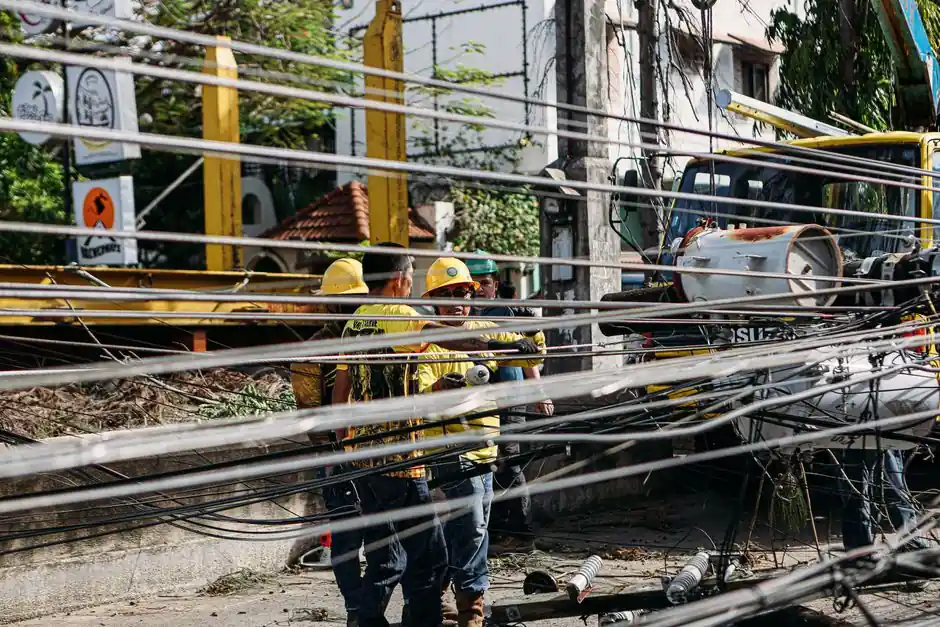
Grease Trap Cleaning Manassas VA is the pump-out, scrape-down, and haul-away service that removes fats, oils, and grease before they harden inside your trap and push downstream into the sewer lateral. A technician opens the lid, measures the grease cap and solids depth, pumps the tank with a Vactor-style vacuum truck, scrapes the walls, and washes the baffles so the trap actually separates again. Most restaurant traps hold 500 to 2,000 gallons and take 45 to 90 minutes to service.
Manassas kitchens run hot and busy. Old Town Manassas restaurants on Center Street, Sudley Road strip-mall kitchens, and school cafeterias near Bull Run all cook enough volume that a 1,000-gallon trap can load up in four to six weeks. When you search Grease Trap Cleaning Manassas VA near me, you want a truck that shows up on schedule, not a hauler who skips a month and leaves you with a grease buildup that backs up the whole line.
Every pump-out includes the full job, not just a vacuum hose in the tank. Here is what is covered on a standard visit, and what we quote separately if your trap needs more than a routine service.
We pull the entire contents of the trap, not just the top layer of grease. That includes the grease cap, the wastewater, and the solids on the bottom, so the trap is genuinely empty when we close the lid.
Grease sticks to the walls and baffles even after pumping. We scrape the interior by hand and wash the baffles down so the trap separates properly on the next cycle instead of short-cycling.
We run a sewer camera down the outlet before we close up. If we see grease buildup, root intrusion, or offset pipe joints in the lateral, you get photos and a clear recommendation the same visit.
You get a manifest showing gallons pumped, the date, and the permitted disposal facility. That document is what your health inspector and landlord want on file, and we email it the same day.
We put your trap on a 4, 6, or 8 week cycle based on measured grease depth, then call ahead before each visit. You stop tracking dates and stop getting surprised by a full trap.
You call, tell us the trap size and the last time it was pumped, and we book a window that fits your prep schedule. Most Manassas jobs get a same-day or next-day slot, and we can set a recurring 4, 6, or 8 week cycle so you never have to think about it again.
The technician finds the lid, clears any landscaping or pavement, and breaks the seal with a lid wrench. We check the inlet and outlet baffles, note the grease cap and solids depth on the ticket, and lay down containment mats so nothing drips on your lot.
We pull the full contents with a vacuum truck, then scrape the walls and floor of the tank by hand. Baffles get washed down so the trap separates properly again. A 1,000-gallon trap usually takes 45 to 60 minutes from open to close.
Before we close the lid, we run a sewer camera down the outlet to confirm the line is clear. If we see root intrusion, offset pipe joints, or a bellied sewer line, you get photos and a straight answer about what it will take to fix it.
Grease and wastewater go to a permitted disposal facility, and you get a signed manifest with the gallons pumped, the date, and the disposal site. That paperwork is what your health inspector and your landlord want to see on file.
Purpose-built equipment, used by trained technicians — so the job is done accurately the first time.
Pulls the full contents of a 500 to 2,000-gallon trap in one visit. We run Vactor and Sewer Equipment Co. of America units built for grease and heavy solids.
Inspects the lateral after every pump-out. We use it to spot grease buildup, root intrusion, offset pipe joints, and cracks before they turn into a backup.
Cuts hardened grease, scale, and roots off the pipe walls with high-pressure water. It is the right tool when a snake will not clear a grease-loaded lateral.
Clears soft blockages in kitchen drains and short runs. We keep RIDGID and General Pipe Cleaners snakes on every truck for fast drain work.
Maps the lateral and finds cleanouts, offsets, and damage under pavement. It tells us where grease is collecting and what needs repair.
Cuts roots out of the lateral when grease and roots have teamed up. We follow with a camera to confirm the line is clean and structurally sound.
A Sudley Road restaurant had a grease cap at 35% and a dish sink draining in slow motion. The last hauler had skipped two visits, and the kitchen was two days from a backup.
We pumped the full 1,000-gallon trap, scraped the walls, and jetted 60 feet of lateral. The sink drained in under 10 seconds, and we set a 4-week cycle. No backup call that weekend.
A property manager in Loch Lomond had three tenants using three different haulers. Records were missing, one trap was overdue, and slow-drain complaints were landing on the manager's desk weekly.
We inspected all three traps, pumped the overdue one, and set each on a schedule matching its load. Manifests now go to the manager by email the same day. Slow-drain complaints dropped to zero over the next quarter.
A church kitchen near Bull Run had not pumped its 500-gallon trap in over a year. Grease had hardened on the walls, the baffles were coated, and the back room smelled like sewer.
We pumped the full trap, scraped the hardened grease off the walls, and washed the baffles. The odor cleared within a day, and the trap separated properly again. We set an 8-week cycle based on the light load.
Grease does not stay in the trap. It moves downstream, hardens, and takes your drains with it. Here are the problems we see most in Manassas kitchens and how we solve them.
Ask a pro →We pump the trap, then jet or snake the lateral to clear the hardened grease that has already moved downstream. A sewer camera confirms the line is clear before we leave, so you reopen the same day.
We pump the full trap, scrape the walls, and reset the baffles. Then we measure your actual load and set a schedule that keeps the cap under 25% between visits, so the trap keeps doing its job.
We diagnose the source with a camera and a physical inspection of the trap and cleanouts. Once we know whether it is the trap, a dry seal, or a broken pipe, we fix the cause instead of masking the smell.
We provide a signed manifest after every visit and keep your pumping history on file. When the inspector asks for records, you have gallons, dates, and disposal sites ready to hand over.
$250 - $650 depending on trap size, grease depth, and access
Typical 2026 pricing in Manassas runs $250 to $650 for a standard pump-out, with most 1,000-gallon restaurant traps landing in the $300 to $450 range. Price depends on trap size, grease depth, access, and whether the job is routine or emergency. We quote before we open the lid, so you know the number up front. Recurring customers on a 4, 6, or 8 week cycle get a lower per-visit rate than one-off calls, and the schedule keeps you out of emergency pricing altogether.
One emergency backup call costs more than a year of scheduled pump-outs. Recurring service keeps your kitchen open, your records clean, and your lateral free of the grease that leads to sewer line repair.
A 500-gallon trap takes less time and less disposal capacity than a 2,000-gallon vault. Larger traps mean more gallons hauled and a higher disposal fee, which shows up in the price.
A trap at 15% grease is a quick pump. A trap at 40% with heavy solids takes longer, needs more scraping, and may require a second load. Depth is the single biggest driver of price.
An exterior trap with a clear lid is easy. A trap under a grease-covered lid in a tight alley, or one buried under landscaping, adds labor. We tell you before we start if access will change the price.
A scheduled weekday visit is the base rate. A 2 a.m. Saturday call for a grease backup carries an after-hours premium. Staying on a recurring schedule keeps you on the base rate.
“Our 1,000-gallon trap was overdue and the dish sink was backing up on a Friday. They had a truck out by 2 p.m., pumped it, scraped the walls, and ran a camera down the line. The manifest was in my email before they left the lot. We are on a 6-week schedule now and have not had a backup since.”
Maria R.Restaurant Owner, Old Town Manassas
✓ Verified“I manage three strip-mall kitchens on Sudley Road and needed one hauler for all of them. They set up a rotating schedule, send a certificate of insurance every year, and the tickets show up in my inbox the same day. The tenants stopped calling me about slow drains, which is the whole point.”
Darnell T.Property Manager, Sudley
✓ Verified“We are a small cafe and I thought we could stretch to 10 weeks between pump-outs. They measured the grease cap at 30% and told me straight that we needed every 6 weeks. They were right. The smell in the back room is gone and our last health inspection went clean with no notes on the trap.”
Karen L.Cafe Owner, Loch Lomond
✓ VerifiedMost Manassas grease trap pump-outs run $250 to $650 in 2026, depending on trap size, grease depth, and access. A 500-gallon trap sits at the low end; a 2,000-gallon vault with heavy solids runs higher. Emergency and after-hours calls add a premium. We quote the price before we open the lid, so there is no surprise on the invoice.
Most Manassas restaurants need pumping every 4 to 8 weeks. The rule of thumb is to pump when grease and solids together hit 25% of the trap volume. A high-volume fry kitchen may need every 4 weeks; a small cafe with light frying can stretch to 8. We measure the cap on every visit and adjust your schedule to match.
Grease and solids keep building until the trap stops separating, then FOG pushes into your sewer lateral and hardens against the pipe walls. You get slow drains, sewer odor, and eventually a backup into your kitchen. A 4-inch PVC pipe can narrow to the width of a pencil in a year. Fixing that means hydro jetting or sewer line repair, which costs far more than a pump-out.
We do. Our crew services traps across Manassas County, including Old Town Manassas, Sudley, Loch Lomond, Bull Run, and Yorkshire. We handle 500 to 2,000-gallon traps, provide signed disposal manifests, and can set a recurring schedule so you stay compliant. Call 13018727698 and we will get you on the calendar.
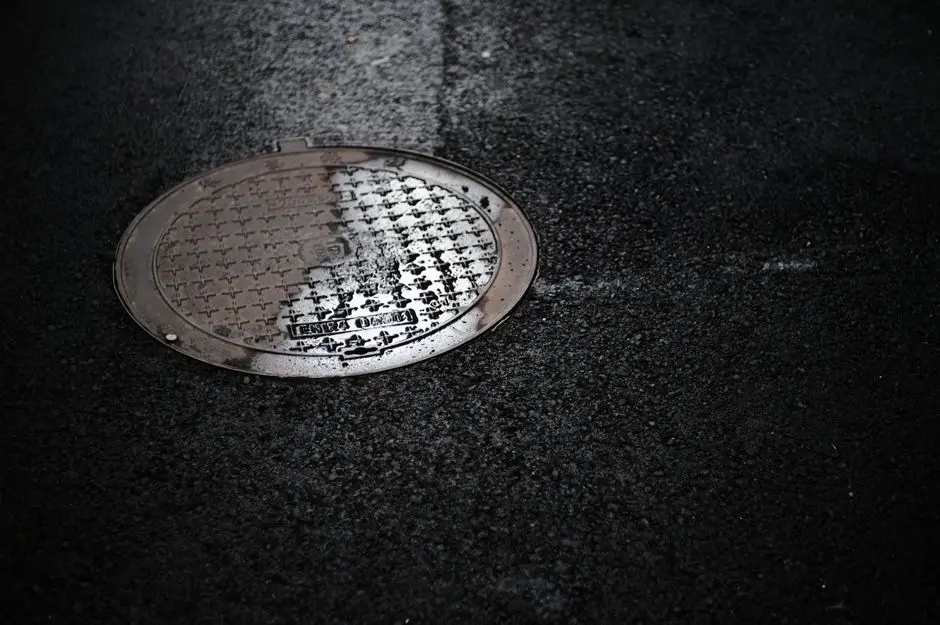 Sewer Line RepairGrease that escapes the trap hardens in the lateral and narrows the pipe. When that buildup causes a break or a crack, we repair the damaged section and restore full flow for your Manassas kitchen.Explore →
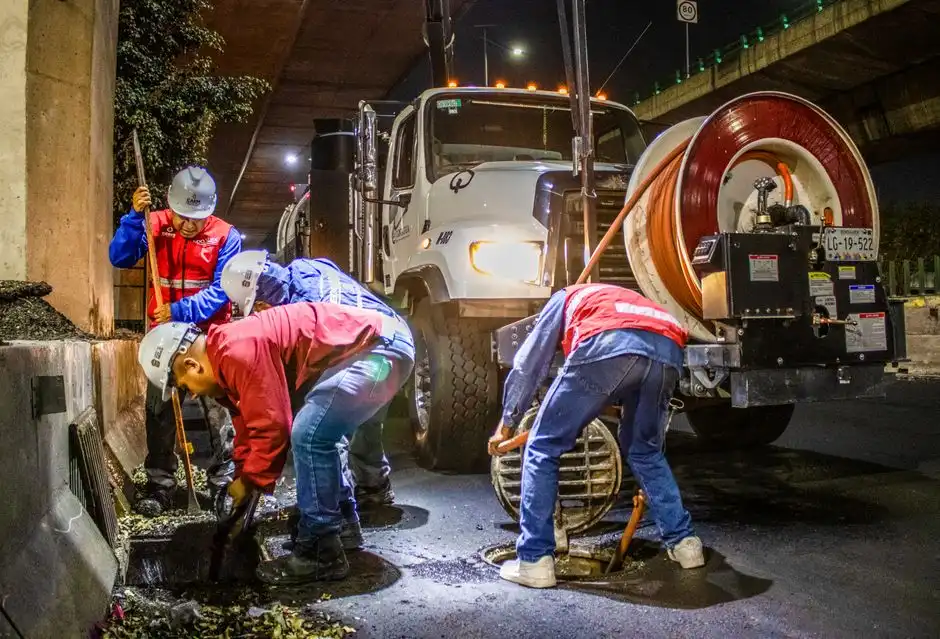 Sewer Line ReplacementYears of FOG and root intrusion can leave a lateral too far gone to patch. We replace the failed run with new PVC pipe, sized and sloped to code, so your kitchen drains stay clear for decades.Explore →
 Trenchless Sewer RepairWhen a grease-damaged line runs under a parking lot or patio, we repair it without tearing up the surface. Trenchless methods save your pavement and keep your Manassas business open during the work.Explore →
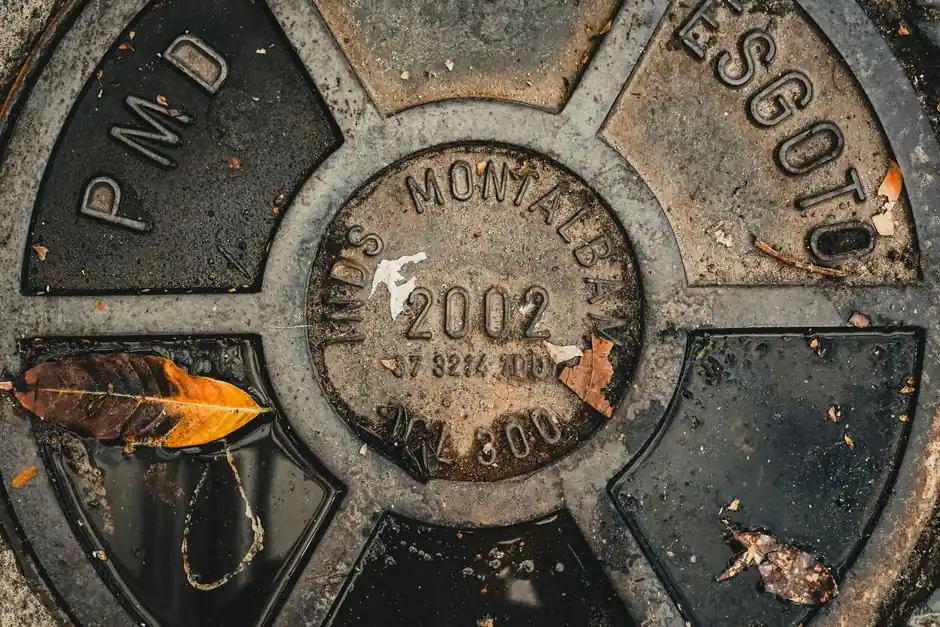 Sewer Camera InspectionA sewer camera shows exactly what grease, roots, and scale have done inside your lateral. We run one after every trap pump-out so you know the line is clear, not just the tank.Explore →
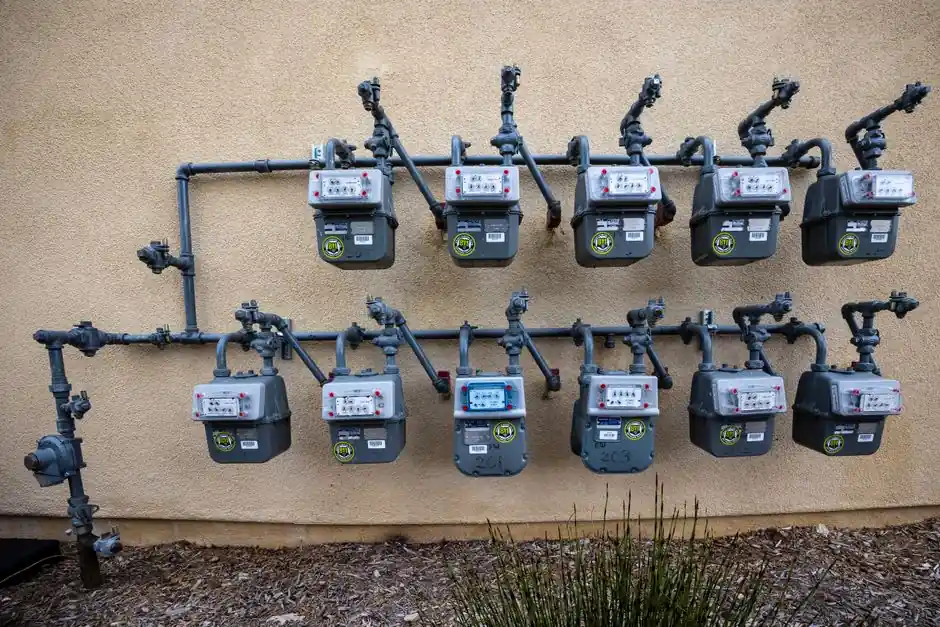 Sewer Line InstallationNew kitchen build-out or a full lateral replacement? We install sewer lines with correct slope, cleanouts, and pipe material so your grease trap and drain system work together from day one.Explore →Main Sewer Line RepairGrease blockages often start at the main line where multiple fixtures tie in. We locate the clog, clear it, and repair any damaged section so the whole building drains properly again.Explore →
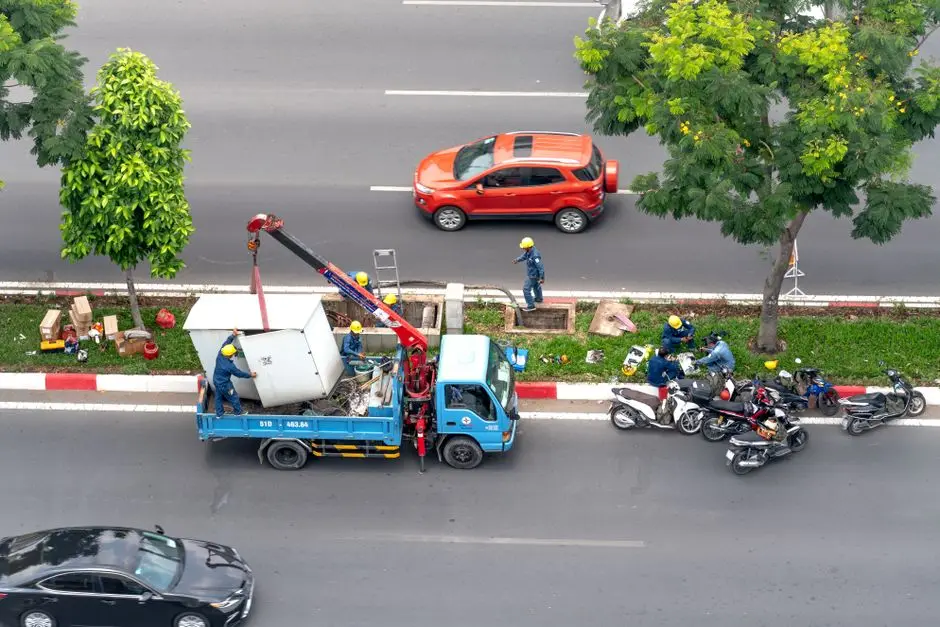 Emergency Sewer RepairA grease backup at 2 a.m. before a holiday rush is an emergency. We run 24/7, roll a truck, and clear the line so you can open on time instead of losing a day of sales.Explore →
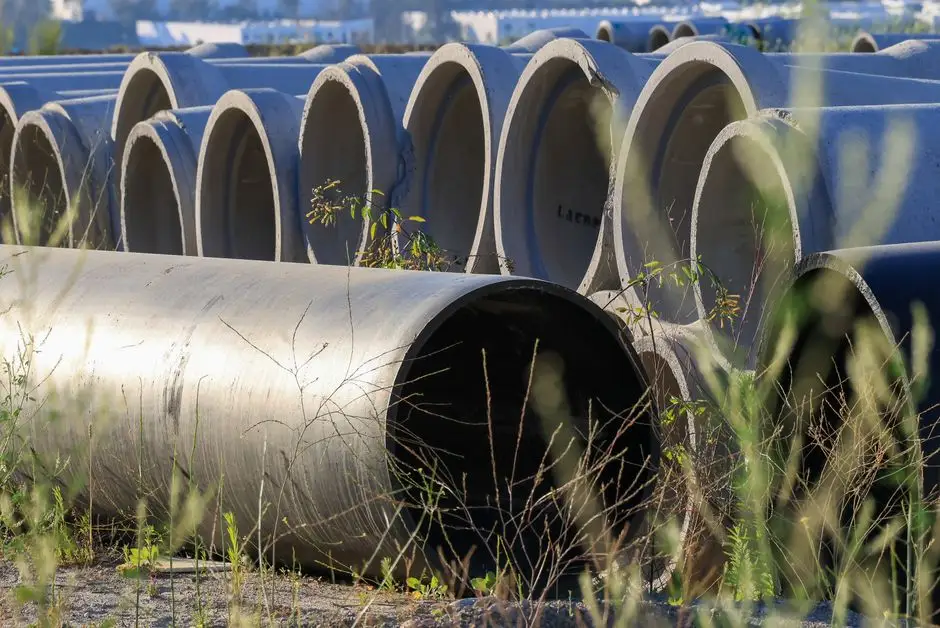 Sewer Pipe ReliningA CIPP liner seals cracks and joint gaps that grease and roots exploit. Relining a grease-damaged lateral restores the pipe from the inside without excavation across your lot.Explore →
We are licensed, insured, and bonded, and we show up when we say we will. Call now and we will get a truck to your Manassas kitchen, usually the same day. One call handles the pump-out, the paperwork, and the next scheduled visit.
Schedule My Pump-Out 13018727698 →Call 13018727698 or stop by our shop at 8467 Sudley Road, Manassas, VA 20109. We answer the phone 24/7 for emergencies and schedule standard camera inspections and repairs Monday through Friday. Most calls in Manassas get a same-day visit.