01
Phone Intake
We ask three questions: where the backup shows up, when it started, and whether it follows rain. That tells us whether you're looking at root intrusion, grease buildup, or a collapsed sewer line. You get a window, not a vague 'sometime today.' Most Manassas calls get a technician on site within a few hours.
02
Camera Inspection
We pull the sewer cleanout cap and push a RIDGID sewer camera down the lateral. You watch on the monitor. We mark the depth of every root mass, joint offset, and crack. This footage is what separates a real diagnosis from a guess, and it's how we decide between cutting and relining.
03
Root Cutting
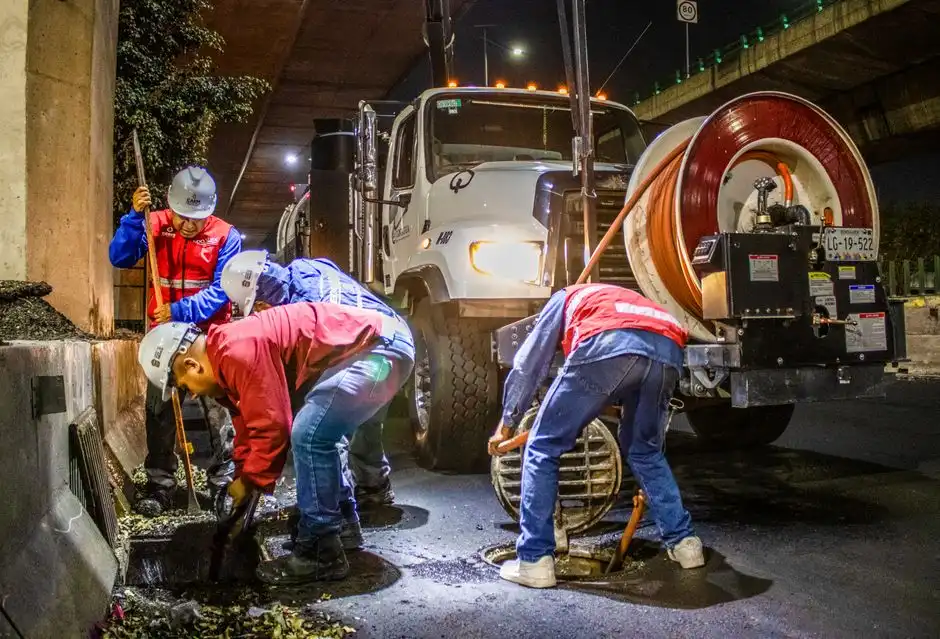
A root cutter or Spartan Tool sewer auger goes down to the marked depth. We start with a smaller head, then step up until the line is full-bore. On heavy intrusions we follow with a hydro jetter at 3,000 to 4,000 PSI to flush the cuttings and grease out to the main.
04
Verification Pass
Second camera run, same route. We check that every root mass is gone, the pipe walls are intact, and there's no standing water. If we find a broken sewer pipe or a section that's too far gone, we show you the footage and quote the repair - no surprise add-ons after the fact.
05
Maintenance Plan
Roots regrow toward the same crack. We give you a schedule - usually a root killer treatment every 6 to 12 months, or a preventive cut on mature-tree lots. Customers on a maintenance plan rarely see a second backup. You leave with footage, a written summary, and a warranty on the work.